Introduction
Truck accident cases can be complex and overwhelming for those who have little knowledge of the legal system. In the wake of a truck accident, victims are often faced with legal jargon that can make navigating their case even more challenging. Whether you are the victim of a truck accident or simply seeking to understand the legal process involved, this article will break down the complexities of truck accident cases and provide you with the information you need to navigate through them confidently.
The Basics of Truck Accident Cases
What is a Truck Accident Case?
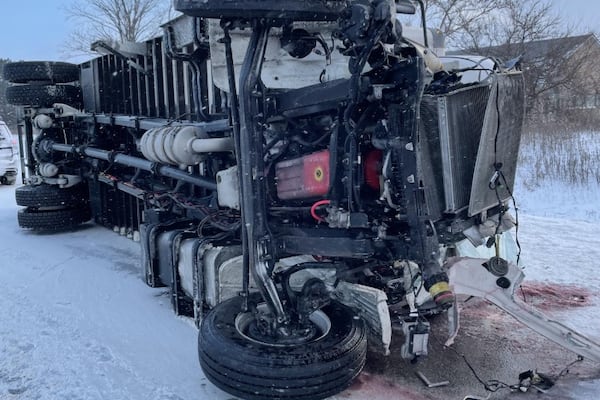
A truck accident case is a legal dispute that arises from an accident involving a truck, often a large commercial vehicle or a big rig. These cases can involve various parties, including the truck driver, trucking company, vehicle manufacturers, and even maintenance providers. The primary goal of a truck accident case is to determine liability and seek compensation for damages incurred as a result of the accident.
Common Causes of Truck Accidents
Truck accidents can be caused by a variety of factors, which often include:
- Driver Fatigue: Long hours on the road can lead to driver fatigue, impairing a driver's ability to operate the vehicle safely. Distracted Driving: Just like any other driver, truck drivers can become distracted by mobile devices, GPS, or other passengers. Speeding: Due to tight schedules, some drivers may exceed speed limits, increasing the likelihood of an accident. Improper Maintenance: Lack of proper maintenance can lead to mechanical failures, causing accidents. Weather Conditions: Inclement weather, such as rain, snow, or fog, can significantly impact driving conditions and contribute to accidents.
Understanding Liability in Truck Accident Cases
Who Can Be Held Liable?
Determining liability in truck accident cases can be complicated due to the multiple parties involved. The following entities may be held liable:
- The Truck Driver: If the driver was negligent or committed a traffic violation at the time of the accident. The Trucking Company: Companies can be held liable for their drivers' actions while they are performing work duties, especially if they encouraged unsafe practices. Manufacturers: If there was a defect in the truck that contributed to the accident, the manufacturer may also be liable. Maintenance Providers: If the truck was not properly maintained and this led to the accident, the maintenance provider could bear some liability.
Comparative Negligence
Many truck accident cases may invoke https://www.wrinklesplace.nl/de-cruciale-rol-van-een-truck-ongeval-advocaat-in-sacramento/ the principle of comparative negligence, which means that more than one party can be found to have contributed to the accident. In these cases, the degree of fault for each party is assessed, and the compensation awarded may be reduced based on the plaintiff's share of fault.
Steps to Take After a Truck Accident
1. Seek Medical Attention
Your health and safety should be your top priority. Even if you feel fine, it’s crucial to see a doctor as some injuries may not be immediately apparent.
2. Document the Scene
Take photographs of the accident scene, including any damage to vehicles and surrounding areas. Gather witness statements and note the details of the accident.
3. Notify Your Insurance Company
Report the accident to your insurance company as soon as possible, providing them with accurate details about the incident.
4. Consult a Truck Accident Attorney
Engaging a qualified truck accident attorney can ensure your rights are protected. They can help you navigate through legal jargon, evaluate your case, and fight for fair compensation.
Choosing the Right Truck Accident Attorney
Experience Matters
When selecting a truck accident attorney, prioritize experience in handling truck accident cases. An attorney specializing in this field will understand the nuances and complexities associated with such cases.
Track Record of Success
Review the attorney's track record. Look for testimonials or case studies that illustrate their history of successfully handling truck accident claims.
Availability and Communication
Ensure that the attorney is readily available and maintains open communication. You should feel comfortable discussing your case and have all your questions answered without hesitation.
Understanding Compensation in Truck Accident Cases
Types of Compensation
Victims of truck accidents may be entitled to various forms of compensation, including:
- Medical Expenses: Coverage for hospital bills, rehabilitation, and ongoing medical care. Lost Wages: Compensation for any income lost due to the accident, including future earning capacity. Pain and Suffering: Amounts awarded for the physical pain and emotional distress experienced as a result of the accident. Property Damage: Compensation for damage to personal property, such as vehicles and other belongings. Loss of Consortium: In some cases, family members may also seek compensation for the loss of companionship and support from the injured party.
How is Compensation Determined?
The amount of compensation a victim may receive can depend on various factors, including:
- The severity of injuries sustained The total medical expenses incurred Impact on the victim's quality of life The level of negligence exhibited by the parties involved
Common Challenges in Truck Accident Cases
Insurance Company Tactics
Insurance companies may employ several tactics to minimize payouts in truck accident cases, such as:
- Delaying Investigations: They might take their time before assessing the accident, hoping that the victim will give up on pursuing a claim. Playing Blame Game: Insurance adjusters may focus on finding flaws in the victim's account of the accident. Lowball Offers: Initial settlement offers may be significantly lower than what victims actually deserve.
Complex Legal Procedures
Truck accident cases often involve complicated litigation processes. Gathering evidence, understanding trucking regulations, and dealing with multiple defendants can be overwhelming without legal representation.
Conclusion
Understanding truck accident cases can be daunting due to the complexities of the legal system and the prevalence of legal jargon. However, it is essential for victims to grasp the intricacies of their situation, the types of compensation available, and how to go about pursuing a claim. Engaging an experienced truck accident attorney can provide the necessary support and guidance you need to navigate this challenging process, ensuring that your rights are protected, and you receive the compensation you deserve.